
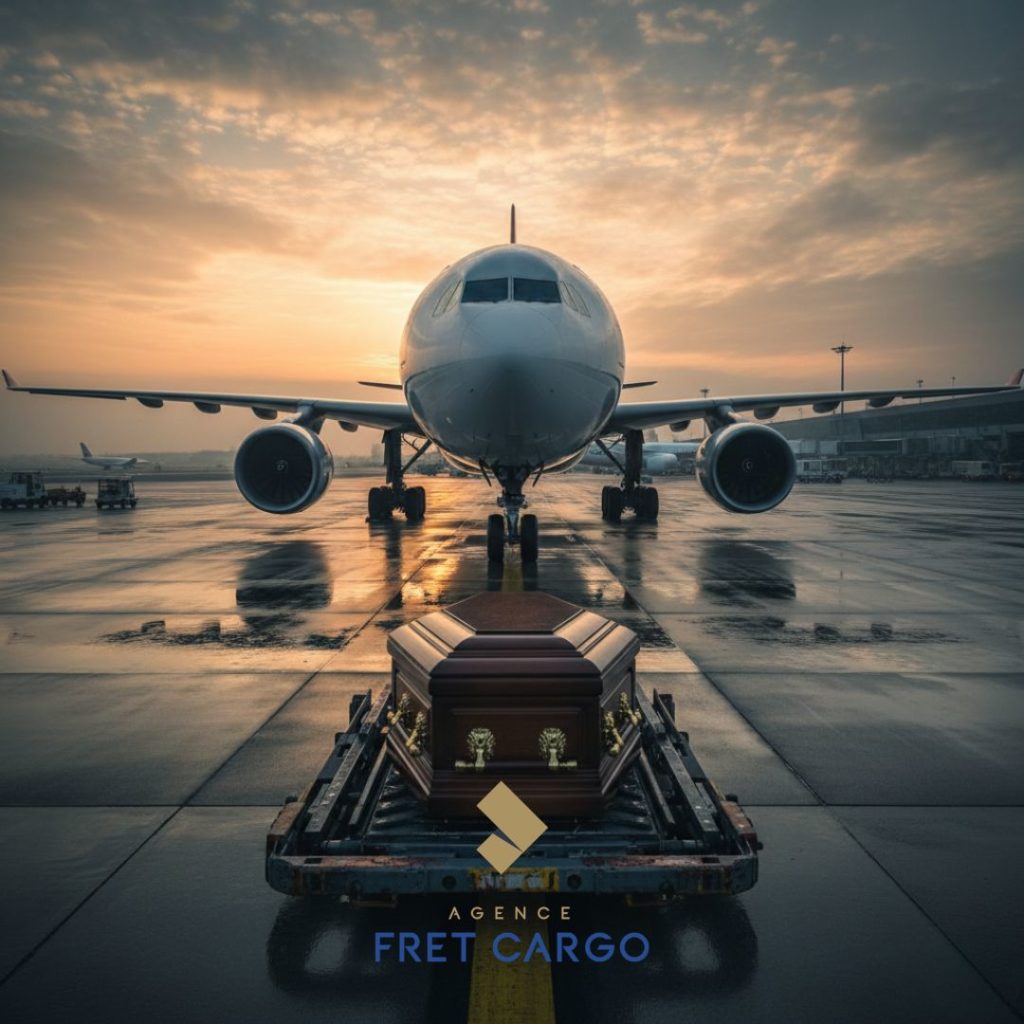
The repatriation of human remains from Switzerland is a logistical challenge that no family wants to face, yet it is a reality for many expatriates and visitors. When a loved one passes away in Swiss territory, the emotional burden is often compounded by strict bureaucratic procedures, language barriers, and complex international aviation regulations.
If you are currently navigating this difficult situation, you need clear, actionable information. This comprehensive guide details every step of the repatriation of human remains from Switzerland, from the initial medical notification to the final flight home.
The First 24 Hours: Notification and Registration
The process begins immediately after death occurs. Unlike in some other countries, Swiss deadlines are tight, and strict protocols must be followed before any repatriation planning can begin.
1. Medical Verification
Whether the death occurs in a hospital (Spital), at home, or in a public place, a doctor must verify the death and issue a Medical Death Certificate (Todesbescheinigung). Without this primary document, no other steps can be taken.
2. Civil Registry Notification
Within two days (48 hours), the death must be reported to the local Civil Registry Office (Zivilstandsamt) of the municipality where the death occurred. This is not the embassy; it is the local Swiss authority.
Crucial Note: Do not attempt to handle the repatriation of human remains from Switzerland alone. Swiss law usually requires a certified funeral director to interface with the authorities for the sealing of the coffin and transport logistics.
Mandatory Documents for Repatriation
To obtain the necessary permits to move a body across borders, you will need to gather specific documents quickly. The Swiss authorities are very thorough, and missing paperwork can cause delays of several days.
You must provide the following to your funeral director:
- Original Passport: of the deceased.
- Birth Certificate: An international (multilingual) version is best to avoid translation delays.
- Marriage or Divorce Certificate: To prove civil status.
- Power of Attorney: A signed document authorizing the funeral home to act on your behalf.
Once these are submitted, the Civil Registry will issue the International Death Certificate (CIEC). This is a globally recognized document that typically does not require further translation for the receiving country.
The “Laissez-Passer”: Your Customs Passport
You cannot simply transport a deceased person internationally. The body requires its own “passport” to clear customs. This document is called the Laissez-Passer Mortuaire (Cadaver Transport Permit).
To issue this, Swiss authorities need two things:
- The International Death Certificate.
- Consular Authorization: The embassy or consulate of the destination country must verify that a funeral home is waiting at the receiving airport.
Once the repatriation of human remains from Switzerland is approved by the consulate, the Swiss canton issues the Laissez-Passer, allowing the coffin to be cleared for export.
IATA Regulations: The Zinc Coffin Requirement
One of the most confusing aspects for families is the strict regulation regarding the coffin itself. You cannot fly a standard wooden coffin internationally due to air pressure changes and health regulations.
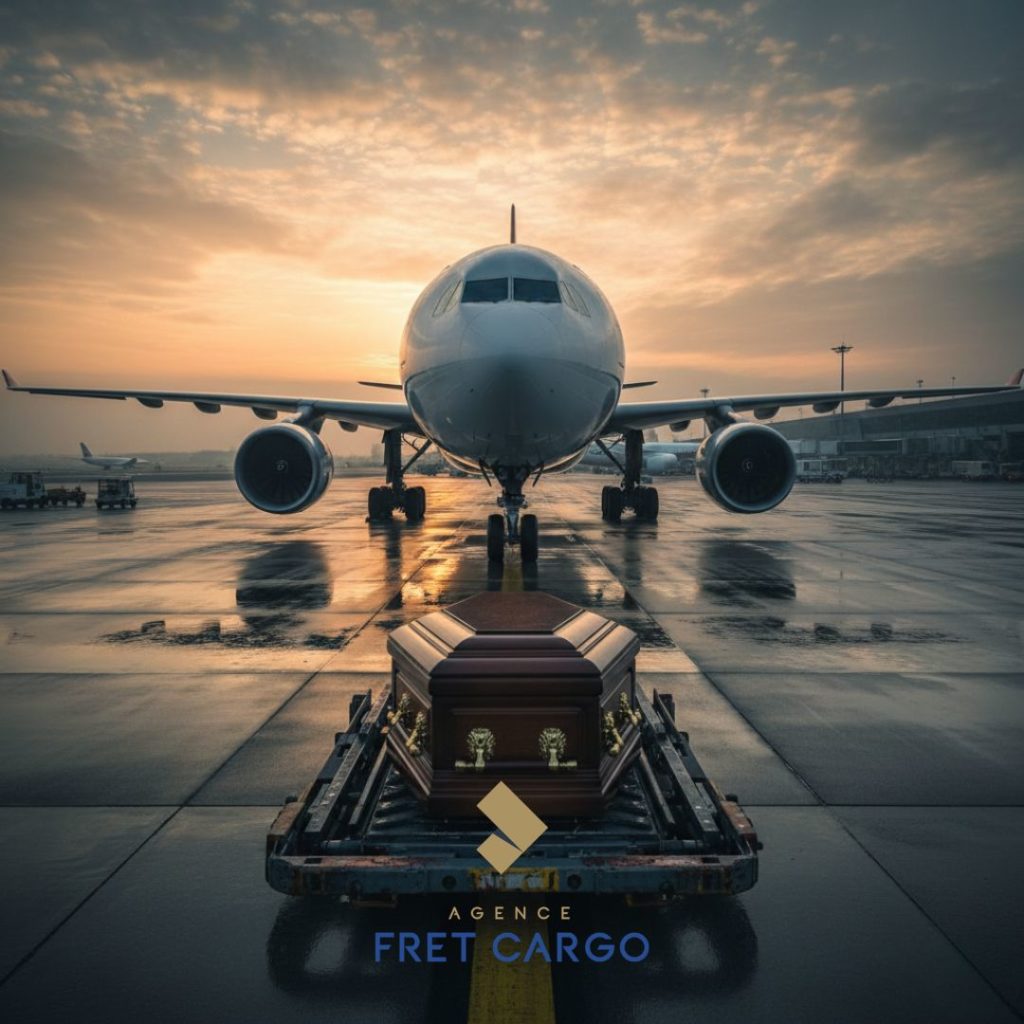
For air transport from airports like Zurich (ZRH) or Geneva (GVA), the remains must be placed in a hermetically sealed zinc liner. This metal container is placed inside the wooden coffin.
- The Sealing Process: A Swiss official (often from the commune or police) must witness the sealing of the zinc liner. They will apply an official wax seal or stamp.
- The Consequence: Once sealed in Switzerland, the coffin cannot be opened again until it reaches the funeral home in the destination country. This means families cannot view the body at the airport before departure.
Timeline: How Long Does It Take?
A standard repatriation of human remains from Switzerland takes between 5 to 10 working days.
Common factors that cause delays include:
- Missing Documents: If a birth certificate must be mailed from the home country.
- Weekends and Holidays: Swiss administrative offices are closed on weekends. A death on a Friday afternoon may not be processed until Monday or Tuesday.
- Police Cases: If the death was accidental or unexpected, the Public Prosecutor must release the body, which can add days or weeks to the timeline.
Cost Factors to Consider
The cost of repatriation varies significantly based on the destination and the weight of the coffin, but generally involves:
- Swiss Funeral Director Fees: Collection, hygienic care, zinc coffin, and sealing.
- Administrative Fees: Civil registry, notarization, and consular fees.
- Air Freight: Calculated by volumetric weight.
- Destination Fees: Customs clearance and transport at the arrival airport.
Conclusion
Navigating the repatriation of human remains from Switzerland requires patience and professional support. By understanding these steps – specifically the document requirements and the zinc coffin rule – you can help expedite the process and ensure your loved one returns home with dignity and respect.
Need immediate assistance in Switzerland?
Agence Fret Cargo team is available 24/7 to secure the release of the deceased and begin the permit process immediately. Do not wait for Monday morning.