
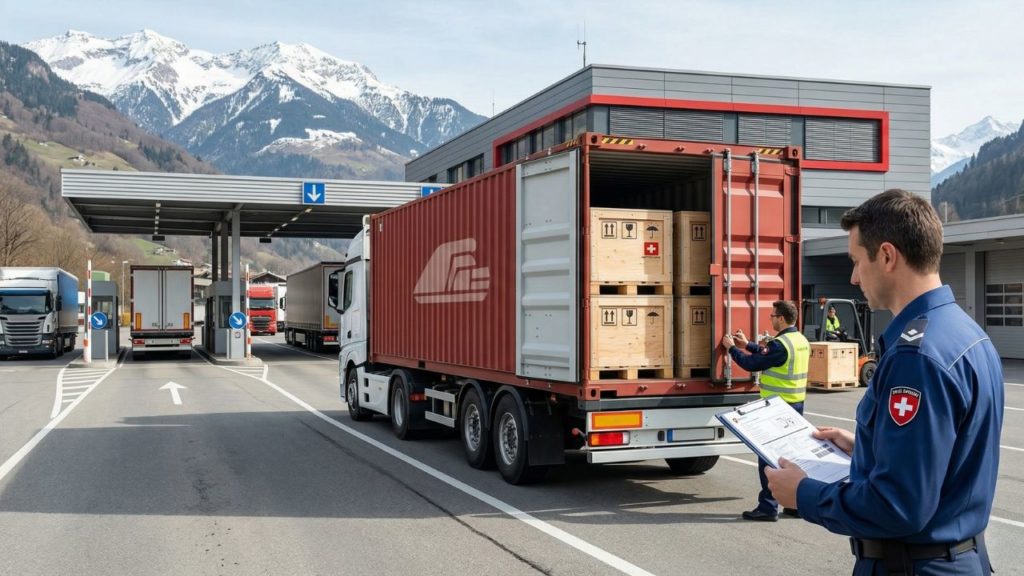
In 2026, supply chain leaders are highly focused on resilience, geopolitical fragmentation, and trade policy volatility. For enterprises shipping complex or high-value goods, understanding the 2026 customs regulations for Swiss exporters is no longer just an administrative task; it is critical to protecting your global supply chain.
A single regulatory oversight can lead to seized cargo, compromised pharmaceutical cold chains, or missed manufacturing deadlines. As customs authorities worldwide transition to stricter, digitized frameworks, Swiss enterprises must adapt to maintain their competitive edge. Here is a strategic guide to navigating the new customs landscape.
The Full Digitalization of Border Crossings
The days of relying solely on paper-based Carnets and manual declarations are over. In 2026, the transition to fully digital customs platforms is in full effect.
- The Challenge: Digital systems require flawless, immediate data entry. Discrepancies between physical cargo and digital manifests trigger automatic audits.
- The Solution: Enterprises must integrate their operations with the new Swiss “Passar” system (target=”_blank”) via their freight forwarder. Seamless data flow is the only way to prevent costly delays at the border.
Stricter Compliance for Specialized Cargo
Large clients need absolute assurance that their specific goods will be handled correctly. In 2026, customs authorities are scrutinizing specialized freight more heavily than ever before.
- Pharmaceuticals & Cosmetics: Customs officers are enforcing stricter documentation regarding temperature-controlled transport. Missing temperature logs can result in the immediate rejection of medical supplies.
- Dangerous Goods & IT Infrastructure: Navigating IATA regulations for hazardous materials or securing export licenses for dual-use IT servers requires highly specialized expertise.
Supply Chain Resilience and Route Optimization
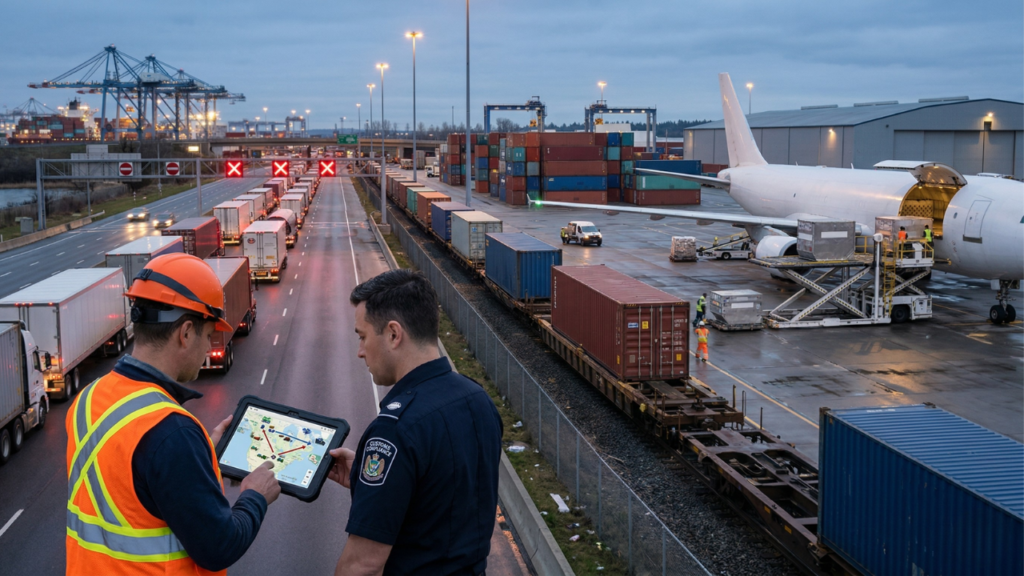
Geopolitical shifts mean that traditional export routes may suddenly close or face heavy tariffs. Customs compliance now goes hand-in-hand with route optimization. Exporters must partner with logistics providers who can quickly pivot, utilizing alternative ports or air hubs to navigate congestion and keep enterprise supply chains moving.
The “Swiss Precision” Advantage: Why Enterprises Choose Us

Large corporations require partners who understand their specific industry challenges. At Agence Fret Cargo, we don’t just move freight; we mitigate risk and optimize your global operations.
Strategically headquartered at Geneva Airport , we have been the trusted logistics partner for enterprises navigating complex global supply chains since 1988.
Certified Security: Our IATA accreditation and SpedLogSwiss membership (target=”_blank”) guarantee that your cargo is handled according to the strictest global standards.
Uncompromising Reliability: We offer Swiss precision backed by an international network of over 5,000 trusted agents.
Conclusion
Mastering the 2026 customs landscape requires a strategic logistics partner rather than a transactional freight forwarder. By prioritizing compliance and resilience, Swiss exporters can turn customs from a bottleneck into a competitive advantage.
Are your export processes ready for the new regulations?
Don’t leave your supply chain to chance. Contact our AFC Advisory Services today to optimize your international logistics strategy.