
Swiss exporters using the Benelux corridor face a major regulatory change. The upcoming introduction of a mileage charge in the Netherlands will change the cost structure for routing goods to the port of Rotterdam or Amsterdam Schiphol airport. For the watchmaking, pharmaceutical or technological industries in French-speaking Switzerland, anticipating this transition is essential to maintain the competitiveness of their supply chains while adapting to new European environmental standards.
At Agence Fret Cargo, we are fully aware of these complex logistics challenges. With 38 years of experience from Geneva airport, we support companies in the global management of their international shipments. As a transport architect, we organise each shipment by optimising the combination of different routing methods to offer you the best possible value, while taking care of administrative formalities and customs compliance.
1. Understanding the new Netherlands heavy goods vehicle tax
The European logistics landscape continues its mutation towards more ecological models. The Netherlands heavy goods vehicle tax, officially named vrachtwagenheffing, will soon replace the current time-based Eurovignette system. This charge will apply on the motorway network and certain Dutch national roads, profoundly changing the calculation of transit fees for vehicles dedicated to freight transport.
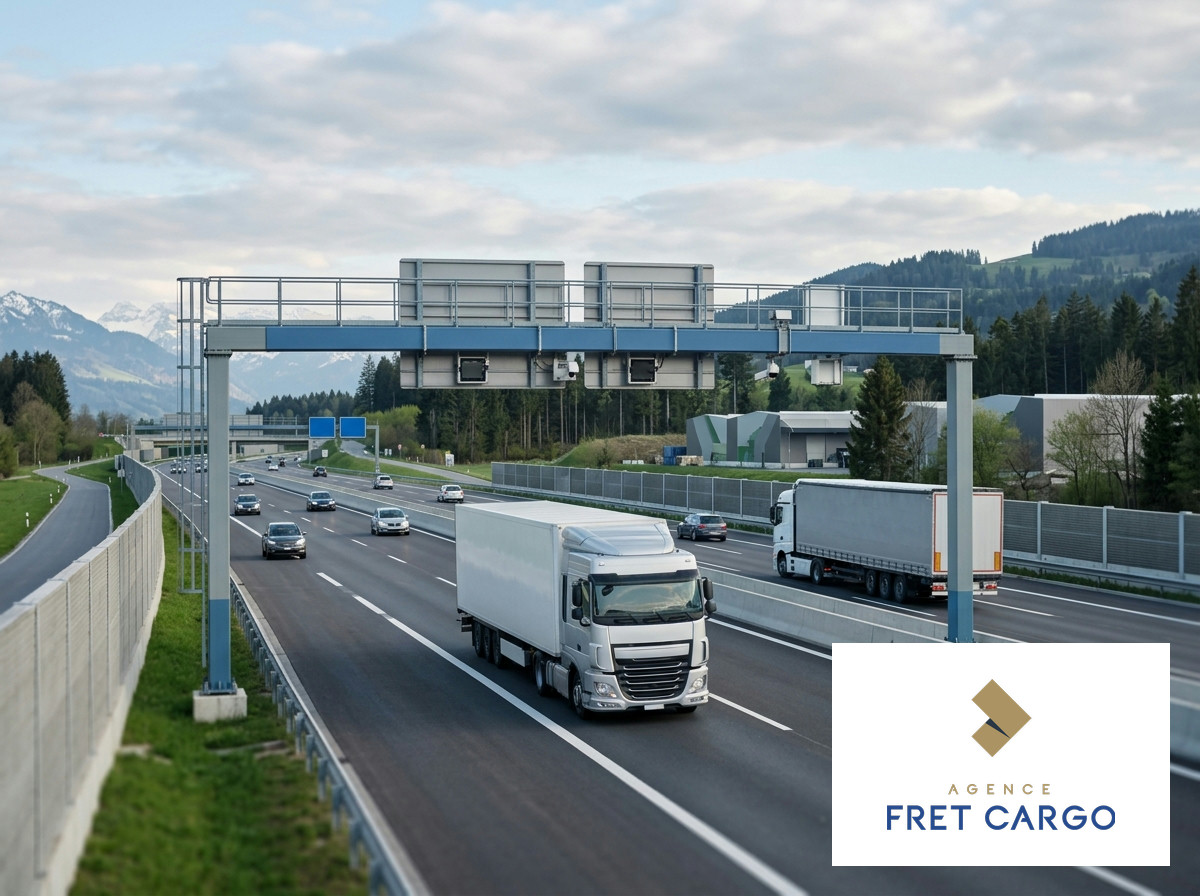
The calculation of this mileage charge will be based on several technical criteria of the vehicle, notably its total weight, its number of axles and its carbon dioxide emissions class. The system will require the use of a satellite on-board unit to accurately record the distances travelled on the territory. Transport companies will have to ensure their strict compliance to avoid financial penalties during automated checks on the road networks.
2. The impact on the Switzerland – Benelux logistics corridor
For Swiss shippers, the Netherlands represents a highly strategic entry and exit point. Air freight flows using truck services to Schiphol, as well as sea freight transiting through the Rotterdam terminals, will be directly affected by this Netherlands heavy goods vehicle tax.
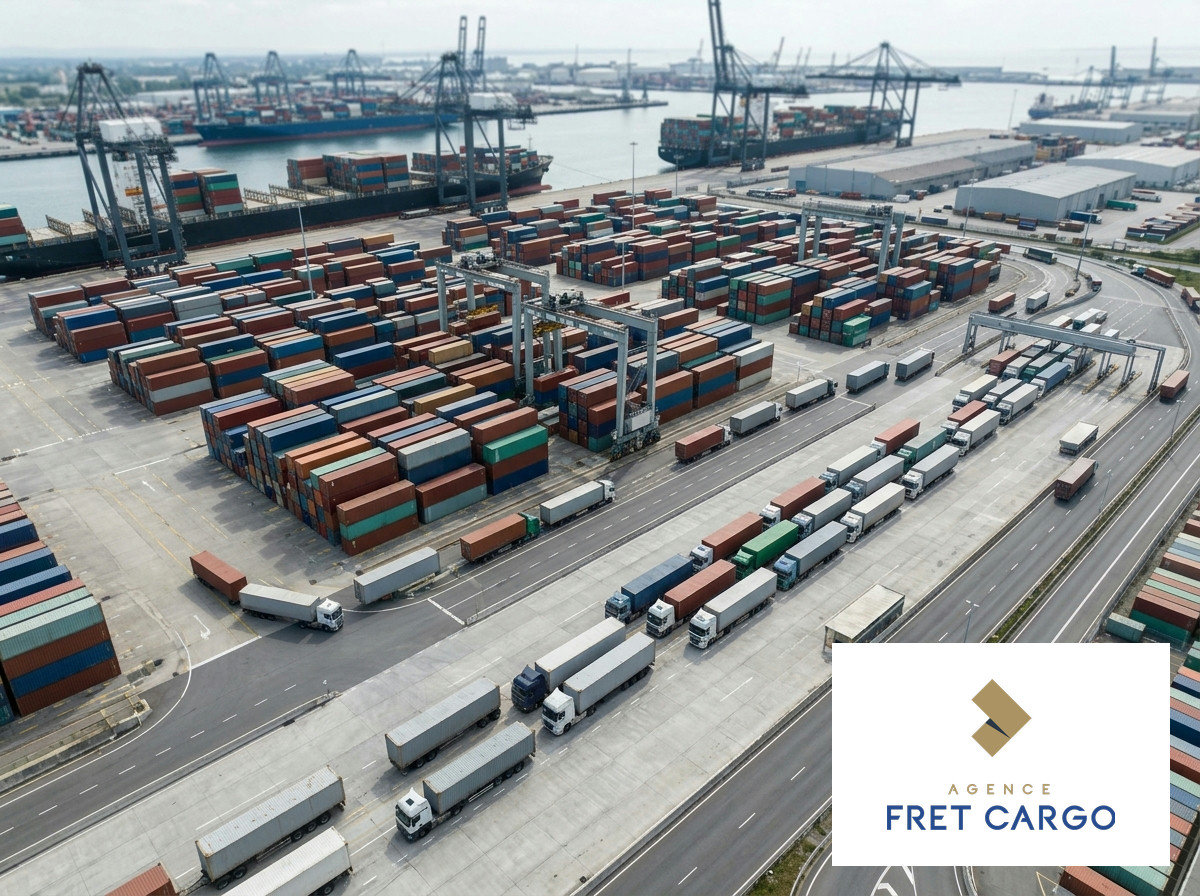
The addition of this charge on the Dutch segment of the journey is added to the already existing tolls in neighbouring transit countries. This means that the overall cost of road transport on this route will inevitably face upward pressure. Exporters of high value-added products must imperatively re-evaluate their distribution schemes. It is advisable to consult official resources, for example on the Swiss Confederation portal, to follow the evolution of bilateral agreements on land transport.
3. Comparison of European road charges
The journey from French-speaking Switzerland to the Dutch ports crosses several jurisdictions, each applying its own road pricing system. It is essential to understand how the Netherlands heavy goods vehicle tax integrates into this European logistics corridor.
| Country | Charge system | Pricing basis | Required technology |
|---|---|---|---|
| Switzerland | RPLP (Heavy goods vehicle fee) | Total weight, kilometres, emissions | OBU unit / Customs declaration |
| Germany | LKW-Maut | Kilometres, axles, CO2 class | Toll Collect GNSS unit |
| Netherlands | Vrachtwagenheffing | Kilometres, weight, CO2 class | Satellite EETS unit |
This accumulation of toll systems highlights the growing administrative complexity for international road hauliers. European harmonisation is nevertheless progressing via EETS (European Electronic Toll Service) providers, allowing the use of a single unit for several countries, which greatly simplifies border crossings and billing management.
4. Optimisation and transition to decarbonised fleets
The main adjustment variable in the face of these new pricing structures lies in the strategic choice of rolling stock. Modern toll systems strongly favour low-emission vehicles to encourage the ecological transition.

Selecting transport partners actively investing in decarbonised fleets makes it possible to significantly mitigate the financial impact of these environmental taxes. An electric or hydrogen-powered vehicle generally benefits from preferential rates, thus reducing the pass-through of costs to the final shipper. This approach also aligns perfectly with the corporate social responsibility objectives of Swiss companies. To find out more about the challenges of the sector, you can consult our guide on [Road transport in Switzerland: challenges and opportunities](road-transport-in-switzerland-challenges).
5. The strategic role of the transport architect
Faced with the constant complexification of European regulations, the expertise of an international freight forwarder makes perfect sense. As a transport architect, Agence Fret Cargo takes charge of the complete and meticulous organisation of your shipments. We select the most relevant routes and the most efficient partners to ensure that your goods arrive safely at their destination.
- Logistics planning integrating the new European pricing constraints.
- Rigorous preparation of the customs declaration for import and export.
- Optimisation of the combination of transport modes (air, sea, road).
- Verification of compliance with customs security and safety regulations.
Customs carry out fundamental missions of security, safety (protection of public health, fight against counterfeiting) and taxation. A complete and accurate description of the shipment's contents, provided by the sender, is imperative. Furthermore, for flows directed to Amsterdam airport, the cost of air freight is calculated on the basis of the chargeable weight, which corresponds to the higher value between the gross weight and the volumetric weight (one cubic metre equivalent to 166,67 kg). The economy of scale is real: the heavier the shipment, the lower the rate per kilogram.
The introduction of the mileage tax in the Netherlands is redrawing the financial balance of Swiss exports to the Benelux. By favouring decarbonised transport solutions and relying on rigorous logistics planning, companies can successfully absorb these new constraints. Proactive supply chain management remains the best response to preserve the competitiveness of your international flows in the long term.
Contact Agence Fret Cargo
📍 Voie-des-Traz 20, 1215 Le Grand-Saconnex (Geneva Airport) 📞 +41 22 798 68 00 📧 hello@fretcargo.com
Any rates and transit times mentioned are indicative market estimates, subject to final confirmation based on your shipment details, the commodity, and current market conditions.
Let us handle the logistics — you focus on your business.