
Global trade dynamics are going through a period of profound transformation, marked by a significant increase in vessel capacity against more moderate demand. For SMEs and logistics directors in French-speaking Switzerland, this situation leads to downward pressure on Asia-Europe ocean freight rates. Far from being a simple market fluctuation, this structural overcapacity represents a major strategic opportunity to rethink your supply chains, optimise your import costs and consolidate your competitiveness on the Swiss market.
At Agence Fret Cargo, with 38 years of experience from our facilities at Geneva airport, we act as a transport architect for companies in French-speaking Switzerland. Our mission is to organise each shipment optimally, combining land, sea and air transport modes to offer you the best value for money. We handle all administrative procedures, from customs documentation to insurance, so that your goods arrive safely and in compliance with current regulations.
1. Understanding the overcapacity of the global fleet
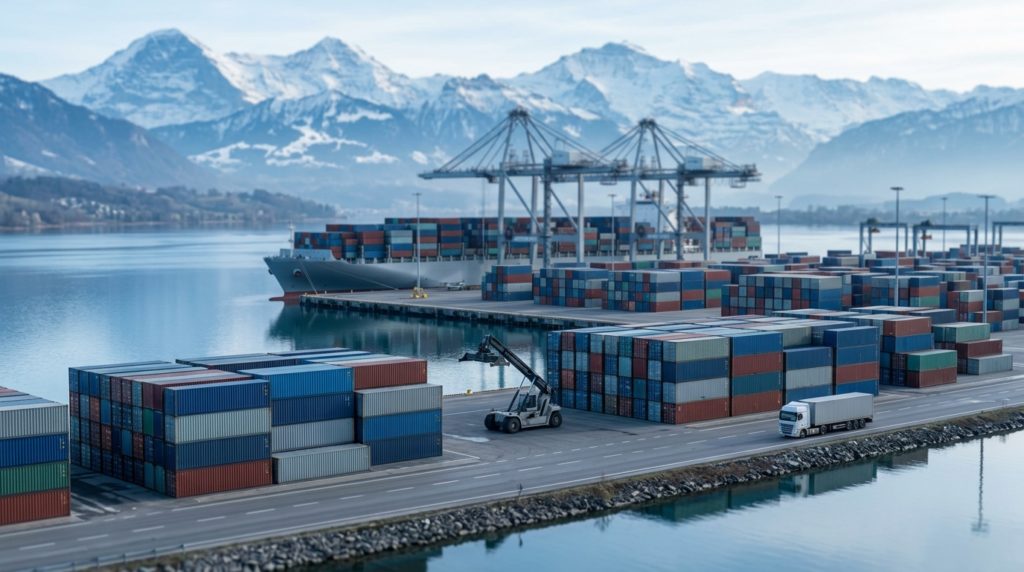
The global maritime industry is facing a rapid expansion of its container fleet. Shipowners have invested heavily in new vessels, significantly increasing the overall available capacity. This growth in supply currently exceeds the progression of international freight transport demand, creating a fundamental imbalance on the main trade routes.
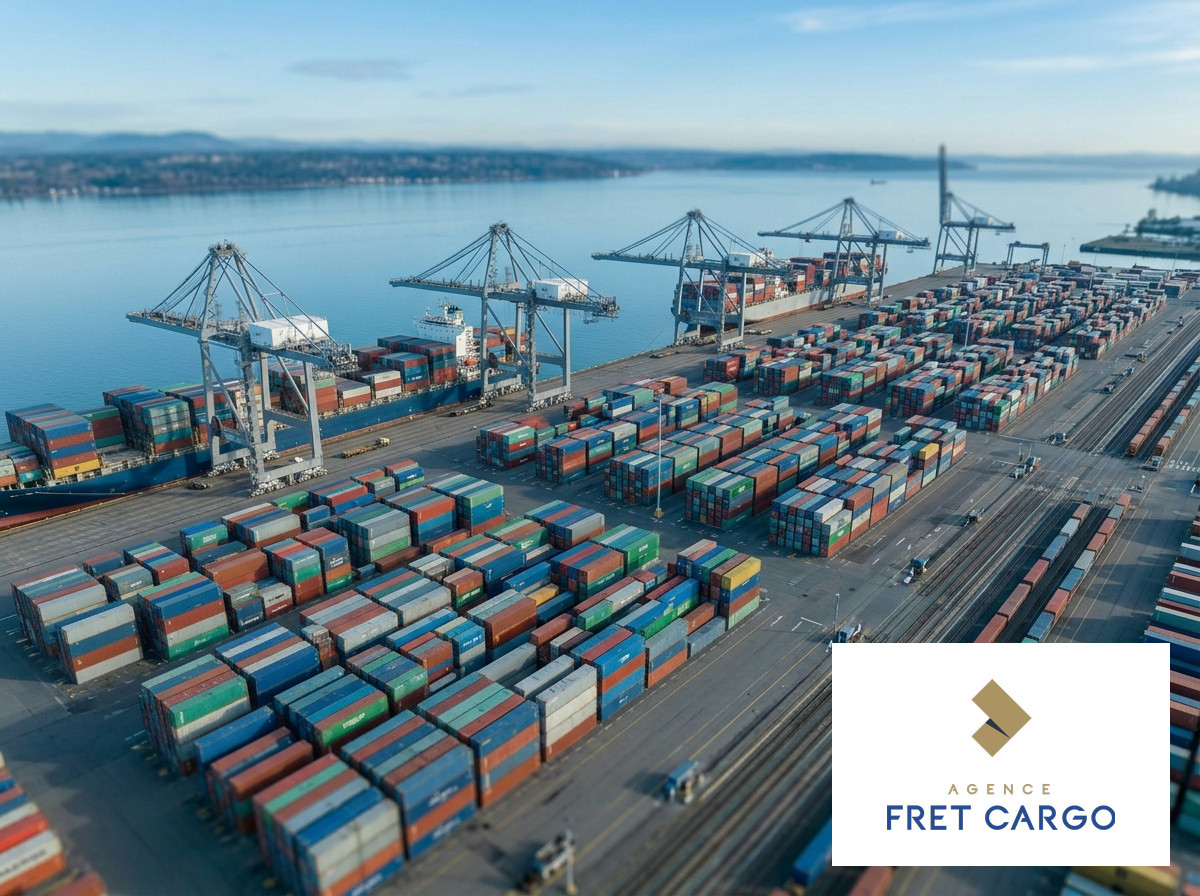
This structural overcapacity alters the balance of power between carriers and importers. Although certain geopolitical deviations, such as bypassing via the Cape of Good Hope, absorb part of the available tonnage by lengthening the distances travelled, the abundance of vessels does not allow shipowners to maintain high prices. Excess capacities force market players to engage in fierce competition to fill their holds, which directly benefits importing companies.
2. The evolution of Asia-Europe ocean freight rates
The most visible consequence of this abundance of vessels is the decrease in Asia-Europe ocean freight rates. The major routes connecting large Asian industrial ports to European gateways show significantly more favourable pricing conditions than before. For Swiss importers, this means that the unit cost per transported container is noticeably decreasing.
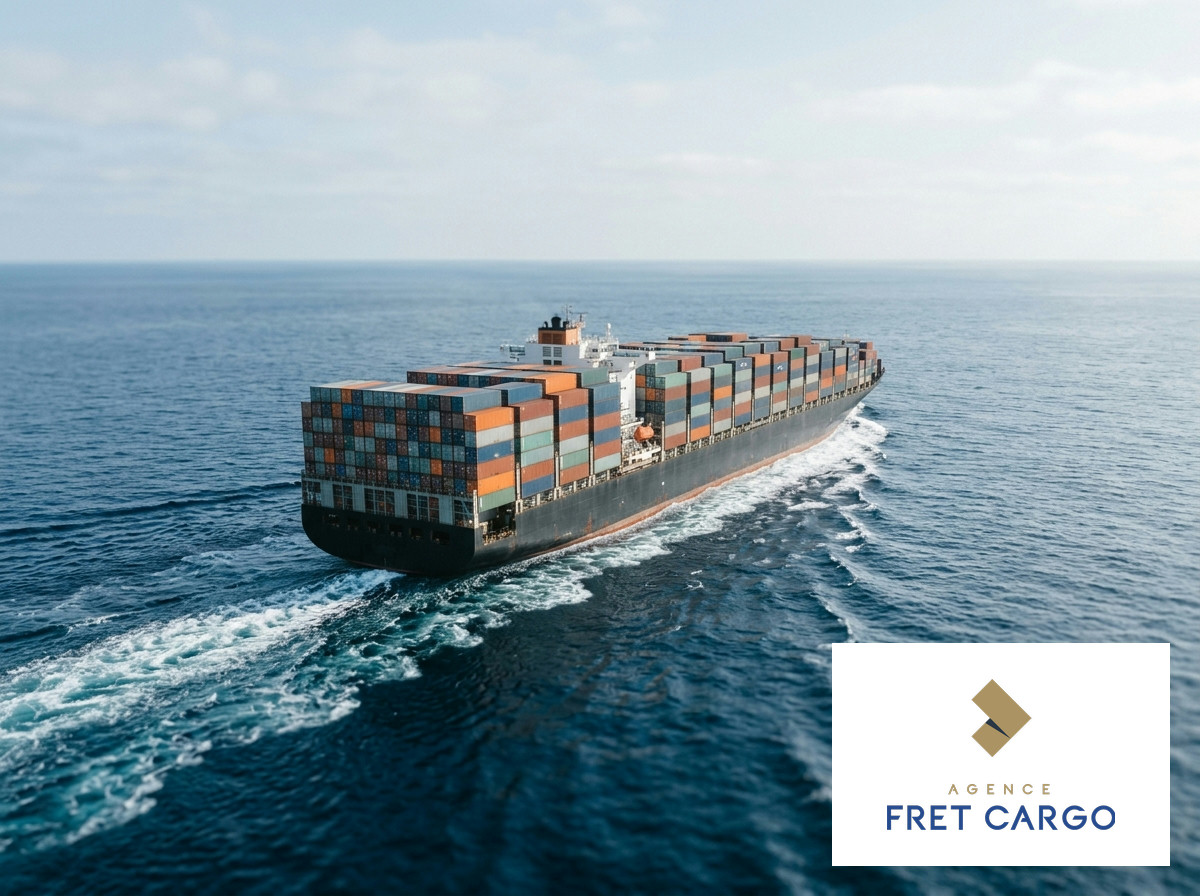
Traditional routes, such as the connection between Shanghai and Genoa or Shanghai and Rotterdam, perfectly illustrate this trend. Prices are contracting, offering valuable financial leeway for SMEs. By carefully monitoring these fluctuations and relying on the expertise of a freight forwarder capable of analysing these trends in real time, you can plan your supplies much more profitably.
3. Comparison: Genoa vs Rotterdam for French-speaking Switzerland
To transport goods from Asia to French-speaking Switzerland, the choice of the European port of discharge is a decisive decision. Historically, northern European ports have often been favoured, but southern ports offer undeniable geographical advantages for our region.
| Logistics criterion | Port of Genoa (South) | Port of Rotterdam (North) |
|---|---|---|
| Geographical proximity | Very close to French-speaking Switzerland | Relatively distant |
| Railway connection | Excellent via Alpine infrastructure | Good, but longer land journey |
| Transit time from Asia | Generally shorter | Often longer |
Favouring the port of Genoa, combined with final routing by rail, constitutes a highly effective strategy for importers in French-speaking Switzerland. This approach not only reduces the overall ocean transit time from Asia, but also minimises the carbon footprint and land transport costs, thereby optimising the entire logistics chain.
4. Renegotiating your contracts: towards more flexibility
In a market where supply exceeds demand, maintaining rigid, long-term transport contracts can prove disadvantageous. Importers have every interest in reviewing their logistics agreements to ensure they reflect current market conditions.
It is advisable to favour flexible contractual formulas, partially or fully indexed to the spot market. This agility allows you to immediately capture drops in Asia-Europe ocean freight rates, rather than remaining tied to fixed rates negotiated during periods of high tension. A diversified purchasing strategy, combining volume commitments and spot purchases, offers the best protection against volatility while maximising savings.
To delve deeper into the question of choosing between different transport modes according to your specific needs, you can consult our detailed guide: Air or ocean freight to Switzerland: the essential guide for 2026.
5. Modal shift: from air to ocean
The improvement in maritime conditions encourages many companies to reconsider the distribution of their freight flows. The modal shift, consisting of switching a portion of volumes historically transported by air to sea, is becoming a particularly attractive strategic option for non-urgent cargo.
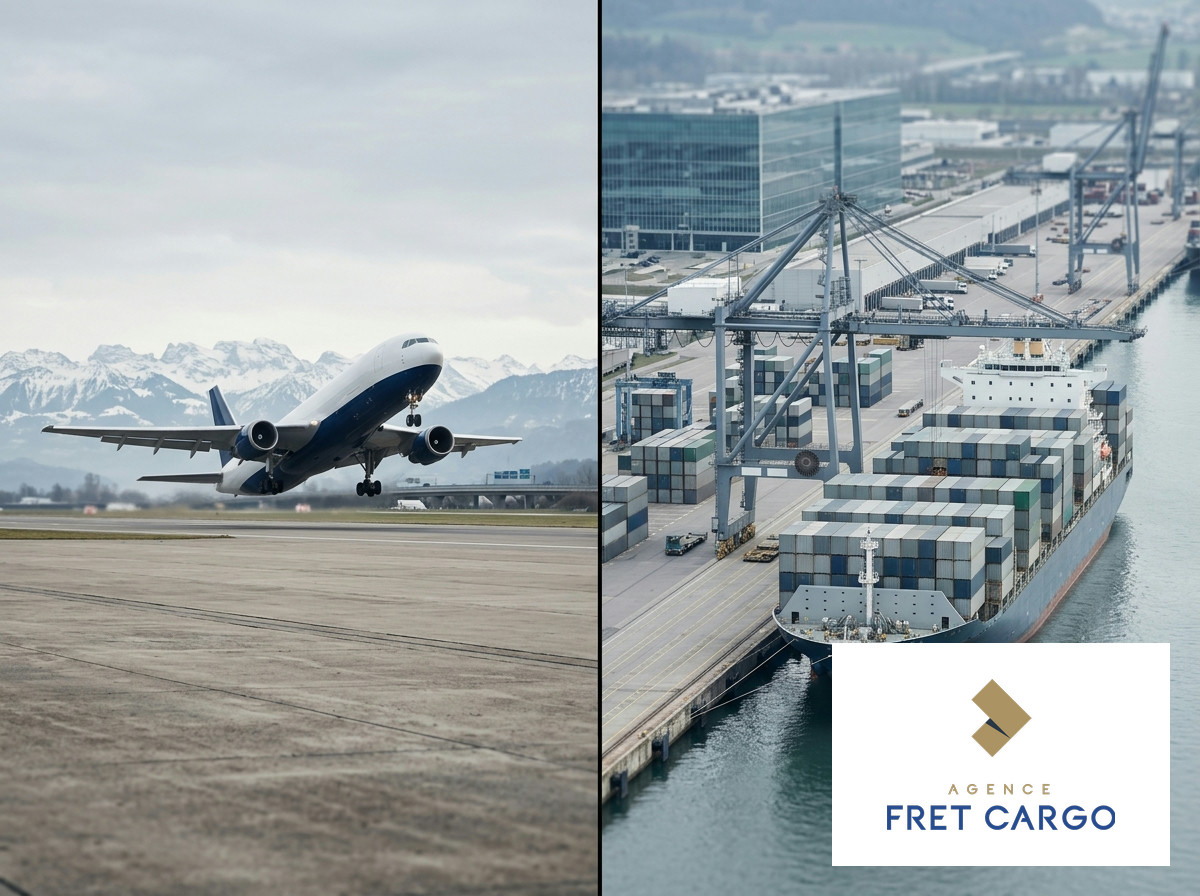
Although ocean freight involves longer transit times, the drop in Asia-Europe ocean freight rates makes the cost gap with air freight even more significant. By anticipating production cycles further in advance and optimising inventory management, SMEs can achieve substantial economies of scale without compromising the availability of their products on the Swiss market.
6. Customs impact and import strategies
Optimising transport costs is only part of the equation; it is equally crucial to master the regulatory and customs aspects upon entry into Switzerland. Since 1 January 2025, the value limit for imports has been lowered to CHF 150. Below this amount, no VAT or customs duty is collected, an important regulatory development detailed by the Federal Office for Customs and Border Security that should be integrated into your cost price calculations.
Furthermore, faced with the lengthening of certain maritime routes and the hazards inherent in international transport, the issue of insurance is paramount. A carrier's civil liability often covers only a fraction of the actual value of the goods. It is therefore highly recommended to take out complementary all-risk transport insurance to protect your investments from end to end.
The current economic situation offers a real window of opportunity to optimise your international logistics flows. By adapting your routes and favouring agile contracts, you can transform this global overcapacity into a sustainable competitive advantage for your supply chain.
Contact Agence Fret Cargo
📍 Voie-des-Traz 20, 1215 Le Grand-Saconnex (Geneva Airport) 📞 +41 22 798 68 00 📧 hello@fretcargo.com
Any rates and transit times mentioned are indicative market estimates, subject to final confirmation based on your shipment details, the commodity, and current market conditions.
Let us handle the logistics — you focus on your business.