


The export landscape to the European Union is about to undergo a major upheaval. With the recent adoption of new directives by the EU Council, Swiss companies shipping goods to the European market must imperatively review their logistics strategies. The 2026 European customs reform introduces profound structural changes, notably the creation of a new centralised authority, the definitive end of exemptions for low-value shipments, and the introduction of unprecedented processing taxes for small parcels. For SMEs and e-commerce players in Switzerland, these measures threaten to significantly increase costs and administrative burdens if no adaptation is anticipated.
Faced with this growing complexity, Agence Fret Cargo positions itself as your strategic partner. With 38 years of experience, we operate directly from the freight zone of Geneva Airport as international transport artisans. Our personalised approach and our mastery of customs formalities allow us to support a demanding clientele in managing their supply chain. Whether preparing rigorous customs declarations covering security, safety, and taxation aspects, or designing tailor-made transport solutions, we ensure that your goods cross borders in full compliance and without delay.
1. The pillars of the 2026 European customs reform
The 2026 European customs reform is based on a clear desire for centralisation and increased control of goods flows entering the Union's territory. The first major axis is the creation of the European Union Customs Authority, which will be established in Lille. This institution's mission will be to harmonise control practices between the different Member States, putting an end to the disparities that sometimes benefited certain logistics routes. In parallel, a centralised European customs data hub will be created, requiring operators to have total transparency regarding the origin and nature of their products.

The second axis, and undoubtedly the most impactful for retail trade, concerns the total abolition of exemptions for small parcels. Historically, shipments with a value below a certain threshold benefited from exemptions facilitating cross-border e-commerce. The new legislation removes this advantage and introduces a flat-rate tax per item, coupled with a new specific processing tax for small parcels, applicable from the autumn of the implementation year. These measures aim to protect the European internal market, but they impose an overhaul of economic models for exporters from third countries like Switzerland.
2. The financial and administrative impact on your shipments
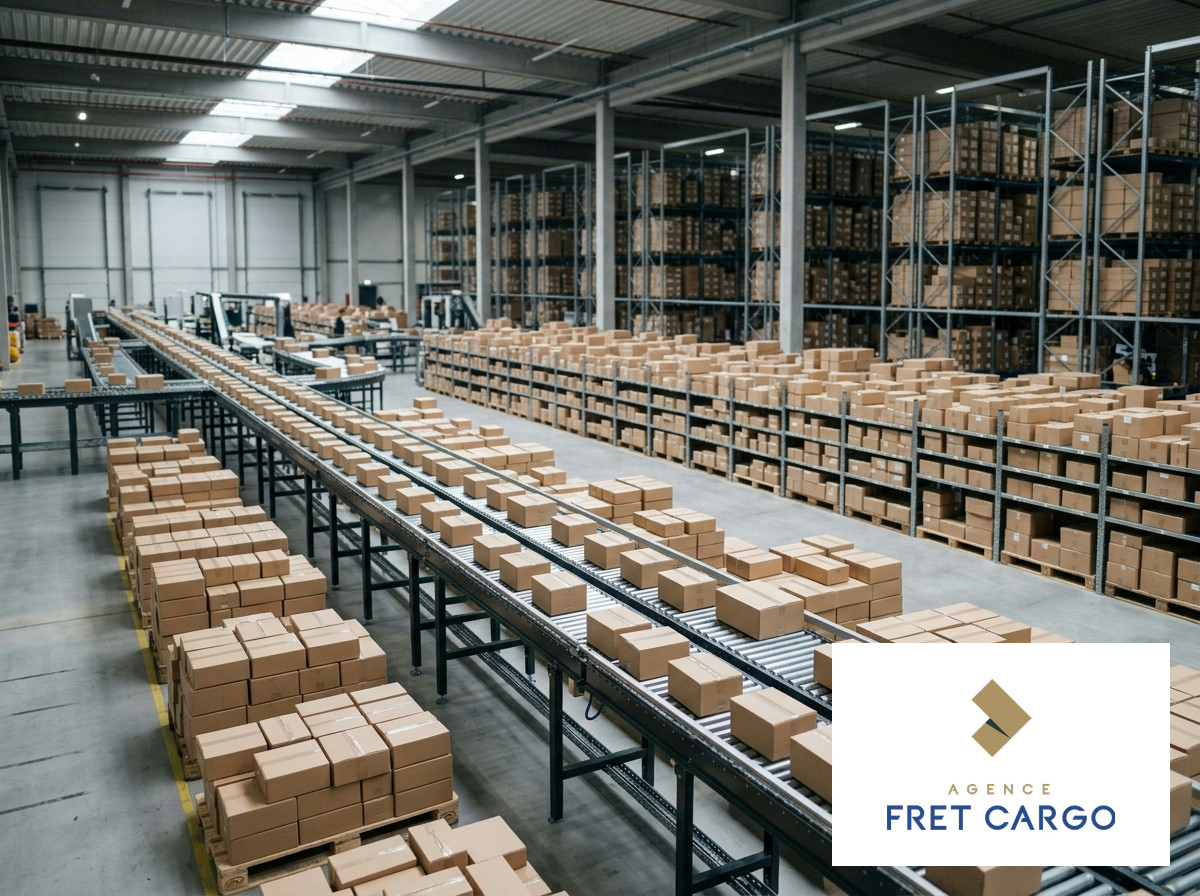
For a Swiss e-merchant shipping dozens or hundreds of individual orders daily to France, Germany, or Italy, the addition of these new rules is likely to be heavy. The accumulation of flat-rate customs duties and the new processing tax will mechanically erode profit margins on low-value items. Furthermore, the legislation imposes new obligations regarding electronic declarations, requiring the integration of precise product identification codes for each shipped item.
Failure to comply with these technical requirements will not only result in border blockages. European authorities have planned severe financial sanctions for non-compliant companies, with fines that can represent a significant percentage of the annual turnover linked to imports. It is therefore crucial to stay informed via official resources such as the European Union portal and to structure your catalogue data well before the texts come into force.
- Increase in unit costs per individually shipped parcel.
- Need to adapt IT systems to generate compliant product identifiers.
- Increased risk of physical inspections and delivery delays in case of incomplete documentation.
- Exposure to fines proportional to the volume of business in case of non-compliance.
3. Comparison: Individual or grouped shipments
Faced with the increase in fees on small shipments, direct B2C (Business to Consumer) individual shipping from Switzerland is losing its attractiveness. The solution often lies in transitioning to a B2B (Business to Business) groupage model, where goods are consolidated, cleared through customs all at once, and then redistributed from within the EU. This table highlights the fundamental differences between these two approaches in the context of the reform.
| Logistics criterion | Individual shipment (Small parcels) | Freight consolidation (Grouped shipments) |
|---|---|---|
| Processing taxes | Applied to each individual parcel | Single customs clearance fees for the batch |
| Customs management | Multiplication of complex declarations | A single simplified global declaration |
| Risk of blockage | High (frequent random controls) | Low (if the global documentation is compliant) |
| Transport cost | Costly per unit | Significant economies of scale |
As this comparison demonstrates, rethinking your supply chain to favour massified shipments not only allows you to absorb tariff shocks, but also guarantees better predictability of delivery times for the final European customer.
4. Freight consolidation to bypass obstacles
To bypass the punitive impact of taxes targeting small parcels, freight consolidation stands out as the master strategy. At Agence Fret Cargo, we manage freight shipments from 30 kg, and offer grouped shipment solutions without any weight limit. By grouping your European customers' orders on single pallets, we transform a multitude of vulnerable small shipments into a robust commercial freight shipment.
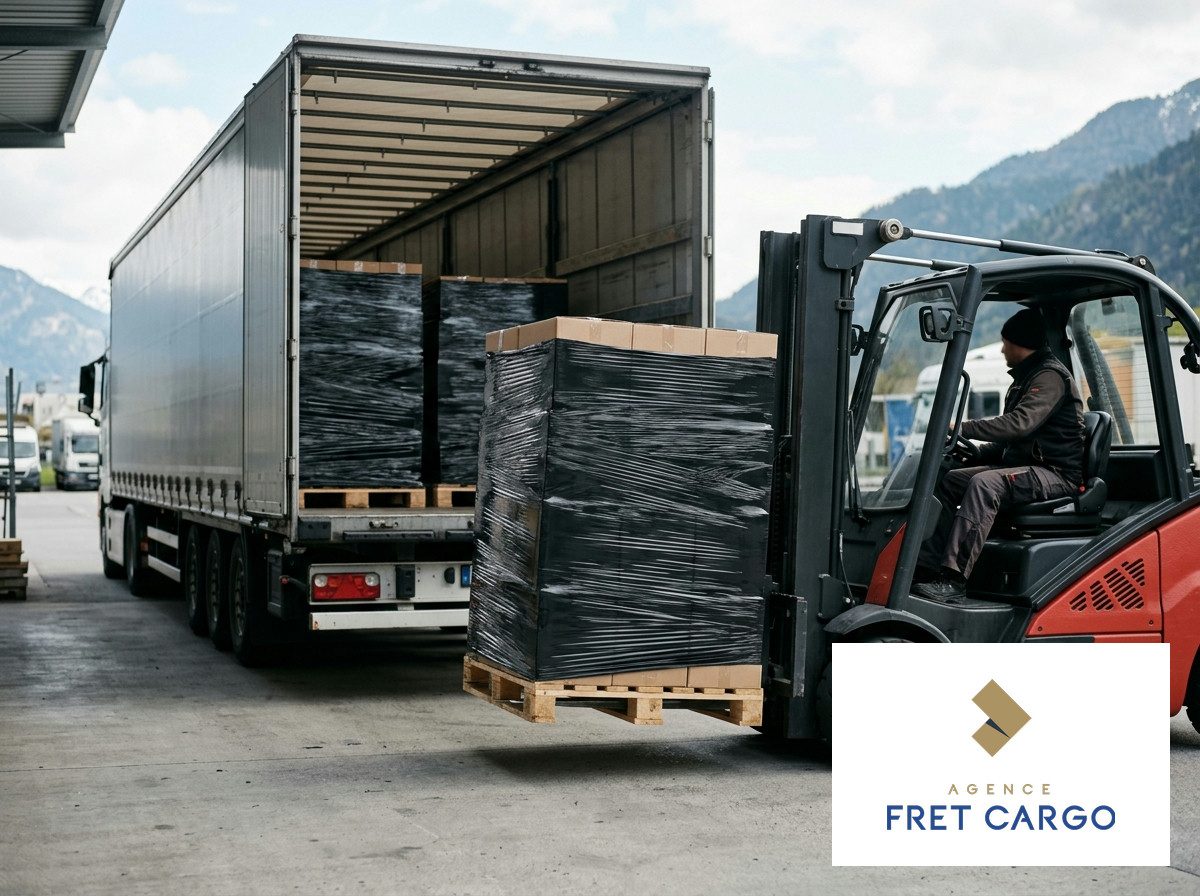
This B2B approach allows submitting only one comprehensive customs declaration. Agence Fret Cargo takes care of preparing this documentation based on the precise information you provide, thus covering security, safety (health standards, fight against counterfeiting), and taxation requirements. Once the goods are cleared through customs in bulk on European territory, they can be entrusted to a local distribution network for last-mile delivery, thereby escaping individual import taxes.
To deepen your understanding of the global customs obligations affecting your exports, we invite you to consult our 2026 Customs Regulations: The guide for Swiss exporters.
5. Mastering customs data compliance
Beyond the physical optimisation of transport, the 2026 European customs reform requires a true digital revolution from Swiss exporters. The accuracy of customs data becomes the sinews of war. Shippers must provide a complete and perfectly accurate description of the contents of their shipments. The systematised integration of product identifiers into electronic information flows will be essential to interact with the future EU data hub. Companies that demonstrate total transparency and flawless compliance will eventually be able to claim the privileged status of trusted operator, which will exempt them from a large part of physical border controls.
By anticipating the requirements of the 2026 European customs reform today, Swiss SMEs can transform a regulatory constraint into a sustainable competitive advantage. The transition to consolidated logistics models and the rigorous digitisation of export data are the keys to maintaining smooth and profitable access to the European market. Meticulous preparation thus guarantees the sustainability of your cross-border commercial activities in the face of new European challenges.
Contact Agence Fret Cargo
📍 Voie-des-Traz 20, 1215 Le Grand-Saconnex (Geneva Airport) 📞 +41 22 798 68 00 📧 hello@fretcargo.com
Any rates and transit times mentioned are indicative market estimates, subject to final confirmation based on your shipment details, the commodity, and current market conditions.
Let us handle the logistics — you focus on your business.