


Importing goods is an essential growth lever for SMEs, but optimising transport costs remains a constant challenge. This is where LCL maritime groupage Switzerland (Less than Container Load) comes in. This method allows the goods of several shippers to be grouped together in a single container. Instead of paying for empty space if your volumes do not justify a full container, you share the space costs with other companies, making long-distance transport much more affordable.
At Agence Fret Cargo, we have been supporting businesses since our foundation in 1988. Operating directly from Geneva Airport, we put over 38 years of experience at your service to guide you in your logistical choices. Whether you are importing capital goods, textiles or industrial parts, we manage the entire chain to guarantee a smooth delivery to your door, advising you on the most suitable solution for your situation.
1. Understanding LCL maritime groupage and its advantages
The principle of groupage is based on pooling space. The carrier gathers various shipments to fill a container before its departure from the port of origin.
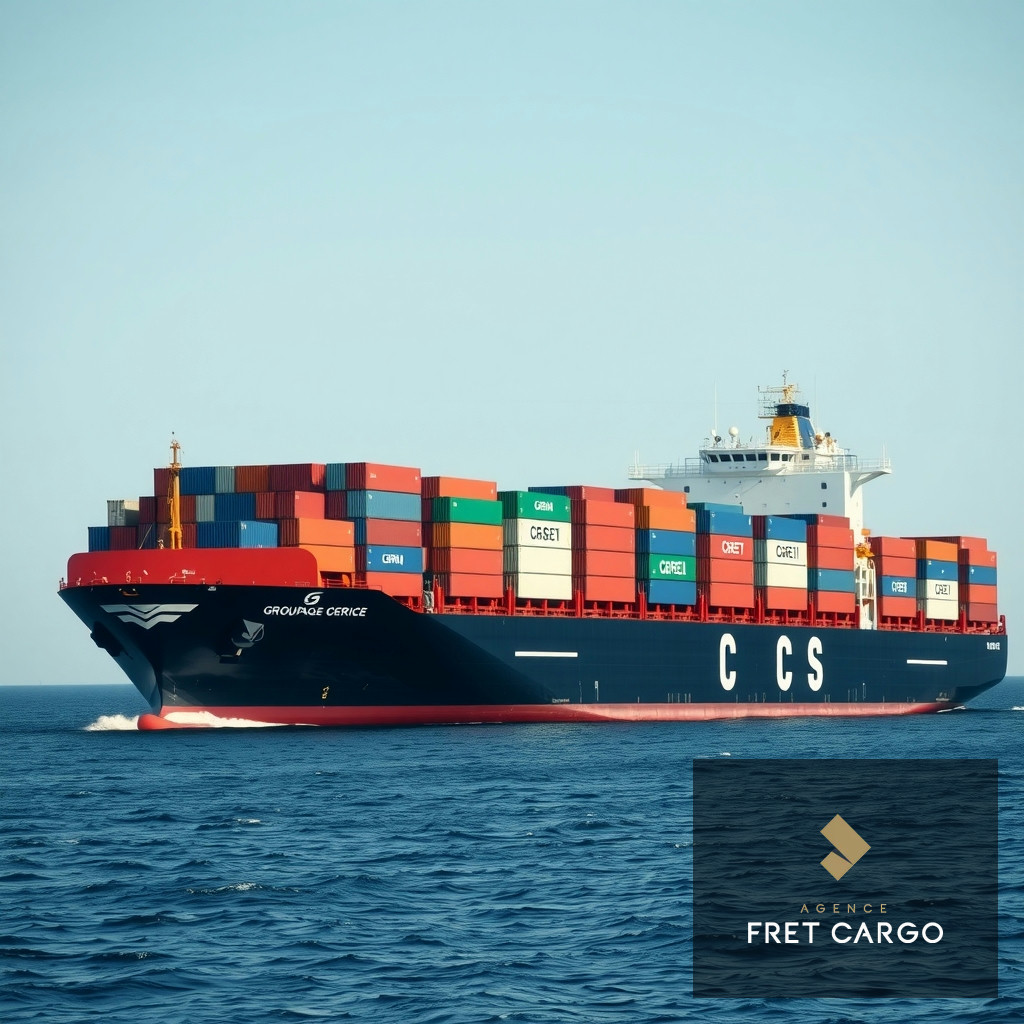
This approach makes sea freight particularly affordable for small and medium-sized enterprises. You only pay for the space you actually occupy. However, you must bear in mind that collection and delivery windows are generally less precise, as the carrier must make several stops to consolidate and then ungroup the loads.
2. LCL vs FCL: The comparison for Swiss SMEs
To properly assess when groupage is worth it, it is useful to compare it to FCL (Full Container Load), where a customer reserves the entire container for their own goods.
| Criterion | Maritime groupage (LCL) | Full container (FCL) |
|---|---|---|
| Cost | Shared, ideal for small volumes | Fixed for the whole container |
| Transit times | Generally longer (consolidation) | Faster (direct and dedicated route) |
| Security | Multiple handling during sorting | Sealed from departure to arrival |
| Flexibility | High flexibility for small orders | Suitable for regular large volumes |
The choice between these two methods will depend on the urgency of your supply and the budget allocated to transport.
3. Volume thresholds and the management of small shipments
The choice of transport intrinsically depends on the volume of your goods and their total weight. It is crucial to properly assess these parameters before validating a shipment.
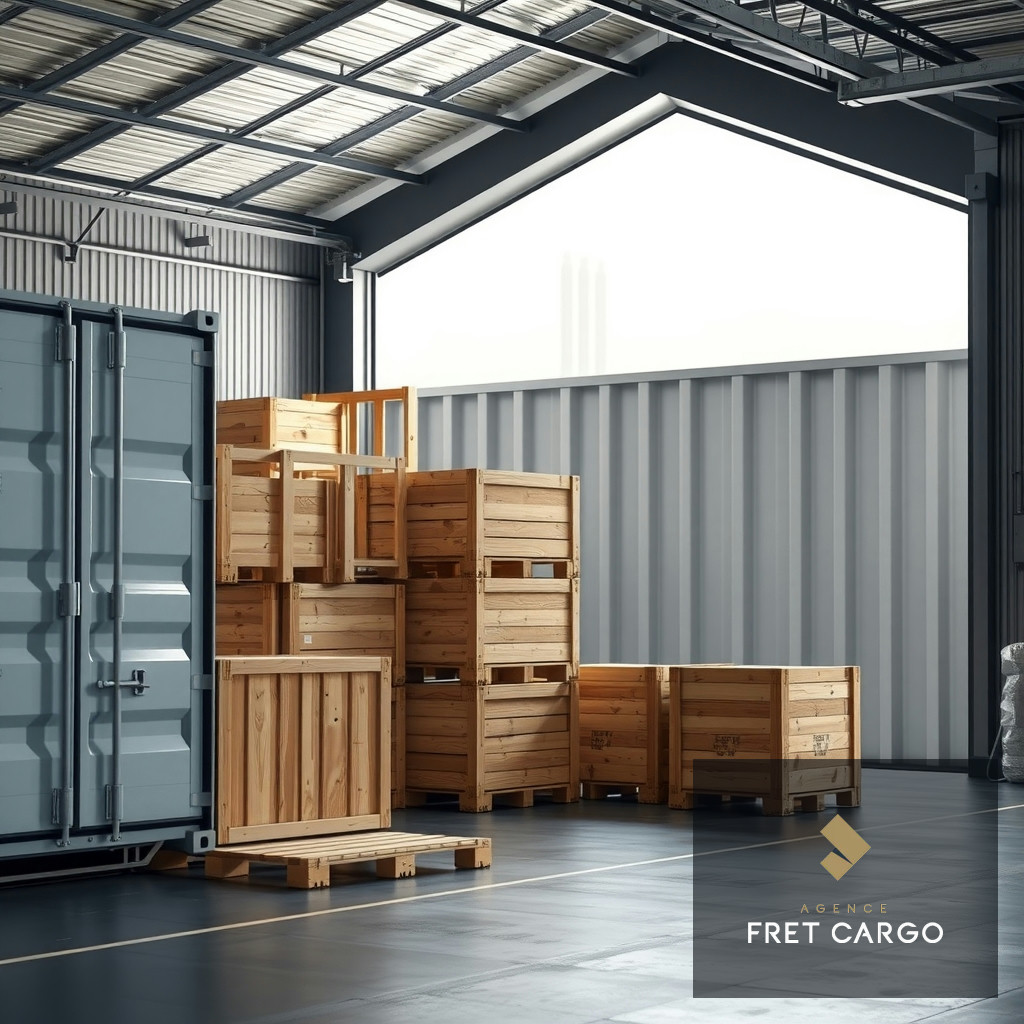
Agence Fret Cargo handles freight shipments from 30 kg, and grouped shipments have no maximum weight limit. For shipments under 30 kg, we work through a partnership with the Expedismart group, which provides automated solutions for small parcels at competitive rates. If your volumes increase considerably or if speed becomes a priority, you should then consider consulting our article on Air or sea freight to Switzerland: the essential guide for 2026.
4. Ungrouping fees and transit times to anticipate
When the container arrives at the European port of destination, it must be opened and its contents sorted. This is called the ungrouping phase, an unavoidable step in the LCL process.
This step inevitably generates ungrouping fees and adds a few days to the overall transit time compared to a full container. Once the goods are separated, they are transported by truck or train to Switzerland. Although maritime groupage is the most economical solution, it is essential to integrate these additional transit times into your planning to avoid any stock shortages.
5. Customs regulations and value exemption
Importing into Switzerland involves complying with local customs regulations, regardless of the chosen mode of transport. Smooth customs clearance relies on precise and complete documentation.
It is important to note that since the first of January 2025, the value exemption for imports into Switzerland is 150 CHF (previously 300 CHF). Below this amount, no VAT or customs duty is collected. For detailed and official information, you can consult the website of the Federal Office for Customs and Border Security. Good preparation of your commercial documents will greatly facilitate customs clearance at the Swiss border.
6. Concrete cases: When to choose LCL for your business
Groupage is particularly suited to certain business sectors where Agence Fret Cargo has recognised expertise for import and delivery, such as the textile industry, sports equipment or industrial and mechanical goods.
Let us take the example of an SME importing mechanical parts from Asia. If its order only fills a quarter of a container and the urgency is not absolute, LCL is the perfect solution. It preserves its cash flow while ensuring regular restocking. On the other hand, for goods requiring strict sanitary conditions or extremely fast transport, other logistical solutions should be preferred.
Contact Agence Fret Cargo
📍 Voie-des-Traz 20, 1215 Le Grand-Saconnex (Geneva Airport) 📞 +41 22 798 68 00 📧 hello@fretcargo.com
Any rates and transit times mentioned are indicative market estimates, subject to final confirmation based on your shipment details, the commodity, and current market conditions.
Let us handle the logistics — you focus on your business.