
Swiss SMEs active in the watchmaking, electronics and machinery sectors are facing unprecedented logistical challenges. With extreme congestion affecting major Asian ports such as Shanghai and Ningbo, and a spectacular rise in intra-Asia freight rates, sourcing strategic components now requires rigorous anticipation. Accumulated delays and increased emergency surcharges imposed by maritime carriers are forcing purchasing directors to completely rethink their inventory strategies.
At Agence Fret Cargo, a family-owned freight forwarder based directly at Geneva Airport, we design tailor-made solutions to overcome these obstacles. With 38 years of experience, we act as transport architects to optimise every shipment. We handle logistics planning, customs formalities and insurance, ensuring your goods arrive safely despite the turbulence of global trade.
1. Understanding the crisis and its impact on Asia-Switzerland freight import
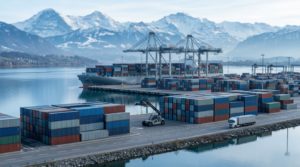
The current situation in Asian port terminals is creating a real bottleneck for international trade. Vessel waiting times are reaching historic levels, leading to massive disruption of sailing schedules. At the same time, benchmark maritime freight rates are soaring, which greatly complicates any Asia-Switzerland freight import operation for Swiss companies.
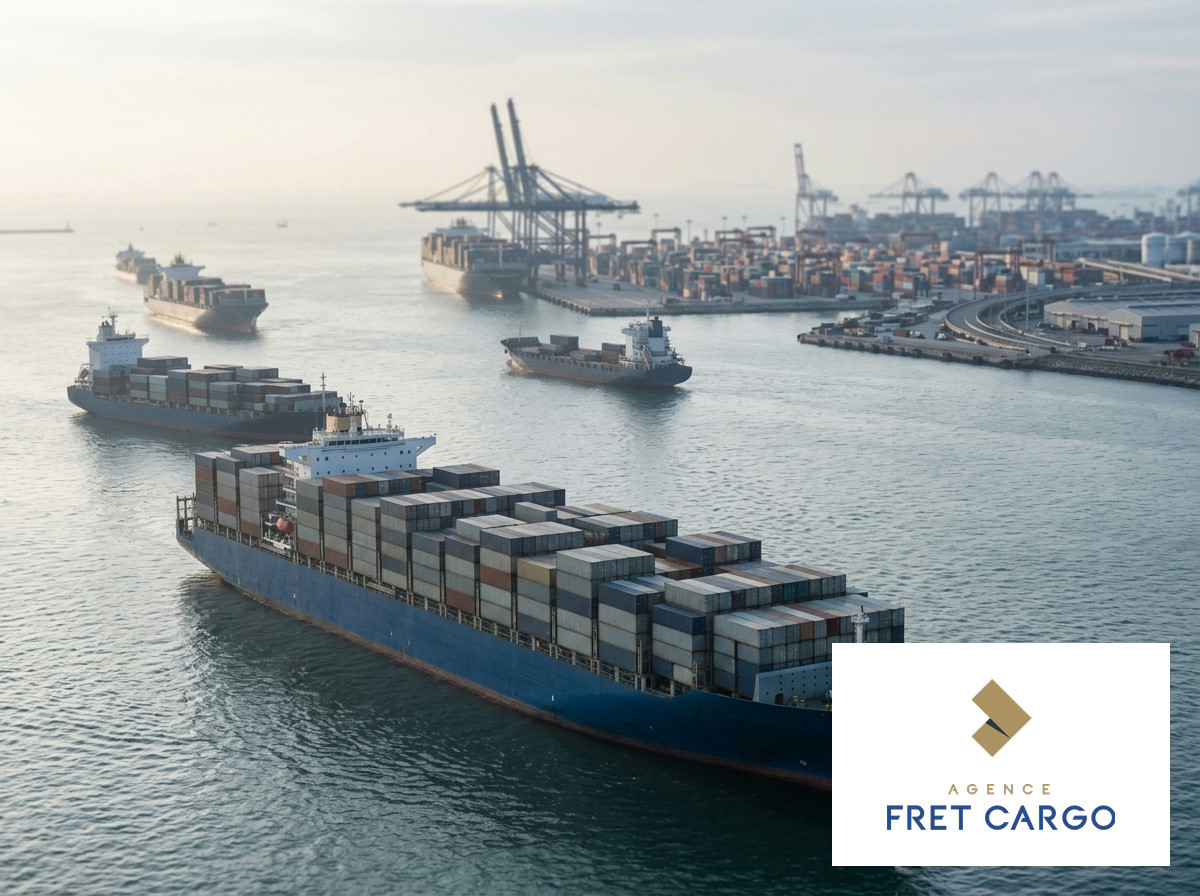
This intra-Asia congestion is not limited to major Chinese hubs alone. It reverberates across the entire region, affecting routes to Southeast Asia and the Middle East. Carriers are applying significant emergency rate surcharges to offset rising operational costs, making financial predictability particularly complex for importers.
2. Direct consequences for Swiss industrial sectors
For Swiss SMEs, particularly those in high precision, the lack of visibility on delivery times is critical. The watchmaking industry and machinery manufacturers rely heavily on micro-components and electronic parts from Asia. A stockout of a single item can paralyse an entire production chain.
- Significant lengthening of supply lead times.
- Rise in transport costs impacting profit margins.
- Need to tie up more cash flow in safety stocks.
It is therefore imperative to review just-in-time models. Building up safety stocks is becoming a survival measure to guarantee the continuity of industrial operations in Switzerland.
3. Sea or air freight: adapting your strategy
Faced with the crisis, choosing the transport mode requires careful analysis. While sea freight remains essential for large volumes, the urgency of certain situations pushes companies to consider other alternatives for their Asia-Switzerland freight import.
| Evaluation criterion | Sea Freight | Air Freight |
|---|---|---|
| Transit times | Generally long, heavily impacted by congestion | Fast, ideal for critical components |
| Costs | Advantageous for large volumes despite increases | More expensive, justified for high value-added goods |
| Current reliability | Subject to port delays | High reliability with regular routes |
Combining these two modes, often orchestrated by a competent freight forwarder, allows you to find the right balance between cost control and meeting production deadlines. To explore this topic further, feel free to consult our guide on How to choose a freight provider in Switzerland?.
4. Regulatory framework and risk management
Besides logistical challenges, mastering customs formalities is essential to avoid any further delays upon arrival. Since the beginning of the year, new provisions apply. For example, the value exemption limit for imports into Switzerland is now set at CHF 150, a threshold below which no VAT or customs duty is collected, according to information from the Federal Office for Customs and Border Security.
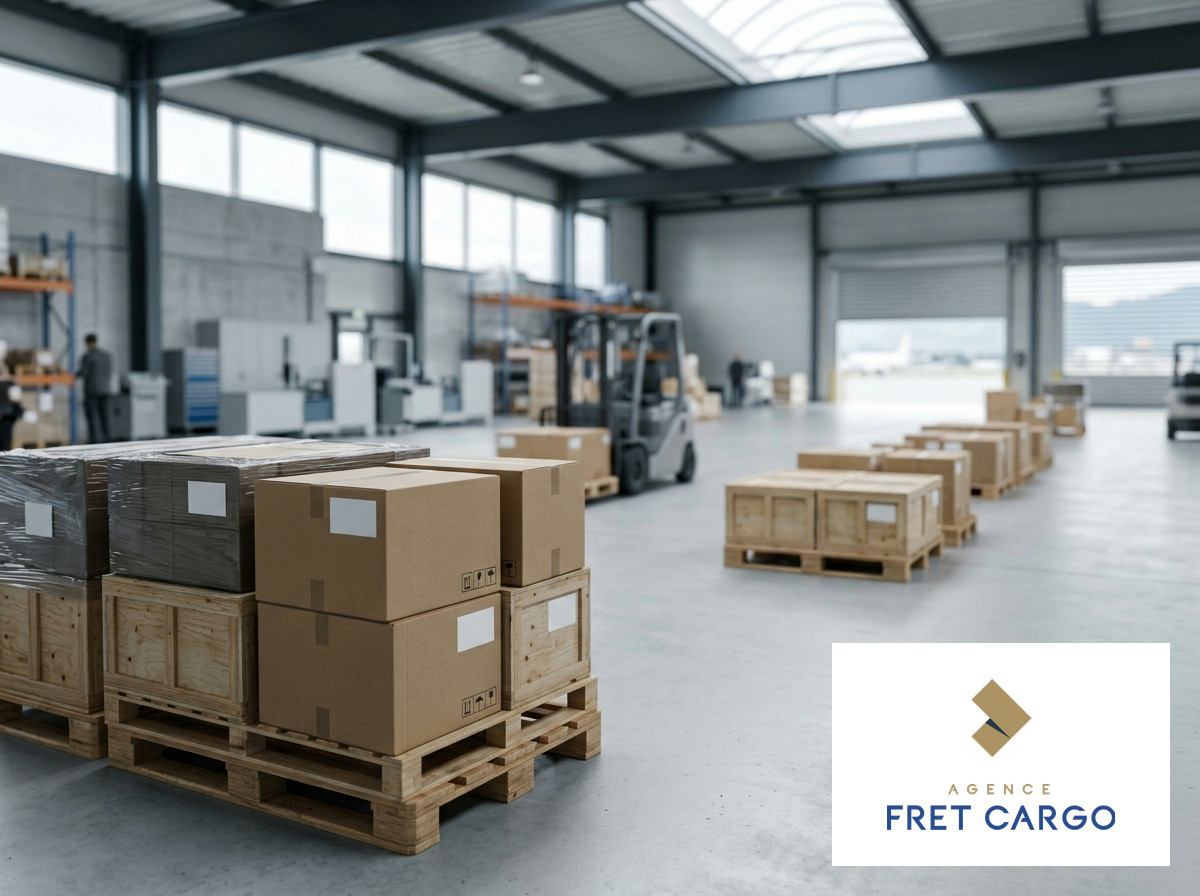
Furthermore, as carrier liability is often limited, it is highly recommended to take out all-risk transport insurance. This global coverage protects the real value of your electronic and mechanical components against the hazards of a prolonged or disrupted journey.
5. Securing the future of your supply chain
To navigate effectively in this unstable context, diversifying suppliers within Southeast Asia itself is a serious avenue. Spreading geographical risks allows you to bypass the most critical congestion zones. Moreover, advanced planning of your Asia-Switzerland freight import is more necessary than ever.
Integrating tracking solutions and transparent communication with your logistics partners will help you anticipate component shortages. Flexibility and agility are the watchwords for maintaining the competitiveness of Swiss SMEs in international markets.
Ultimately, Asian congestion and freight rate volatility require a strategic overhaul of Swiss procurement. Anticipating needs, diversifying routes and surrounding yourself with reliable logistics partners will allow SMEs to effectively protect their production chains against these global uncertainties.
Contact Agence Fret Cargo
📍 Voie-des-Traz 20, 1215 Le Grand-Saconnex (Geneva Airport) 📞 +41 22 798 68 00 📧 hello@fretcargo.com
Any rates and transit times mentioned are indicative market estimates, subject to final confirmation based on your shipment details, the commodity, and current market conditions.
Let us handle the logistics — you focus on your business.