
Customs clearance is a critical step for large international groups, where the slightest anomaly can lead to disastrous financial and operational consequences. Supply chain optimisation requires meticulous attention to regulatory procedures. Analysing and understanding frequent import customs clearance errors allows logistics departments to implement robust preventive measures, thereby guaranteeing an uninterrupted flow of goods and total control over costs related to taxes and administrative sanctions.
Founded in 1988, Agence Fret Cargo operates directly from Geneva airport with thirty-seven years of experience. We prepare the customs declaration for both imports and exports, based on the information provided by the sender. As a transport architect, our mission is to organise each shipment so that your goods arrive safely, while managing all administrative tasks, insurance cover on request, and strict compliance with local and international regulations.
1. Import customs clearance errors related to tariff classification
One of the most critical failures in customs management concerns the incorrect allocation of the tariff code. Tariff classification directly determines the applicable customs duty rates, potential quotas, and specific documentary requirements. For industrial groups managing thousands of references, a systematic error on a product category can lead to massive tax reassessments over several years.
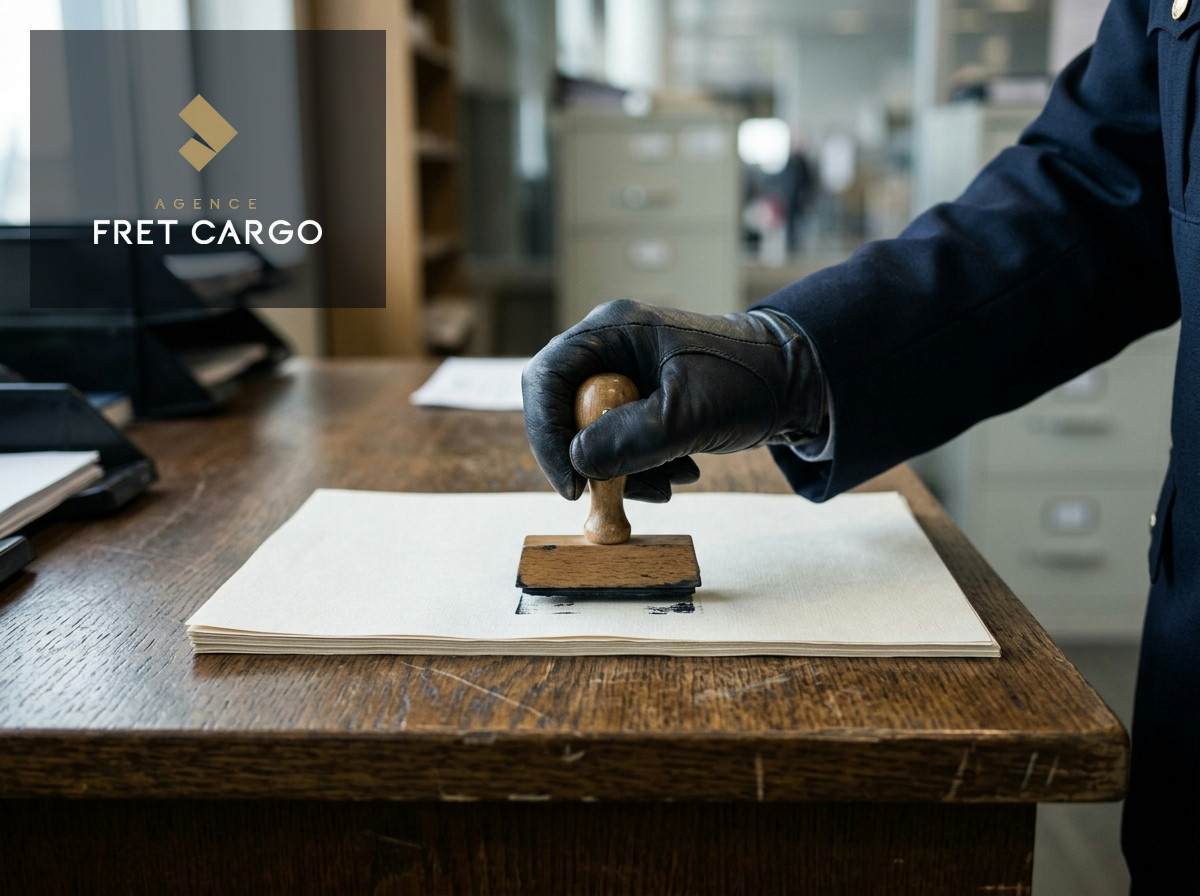
Customs authorities exercise increased surveillance. Their three main roles include security against terrorism, safety encompassing public health, counterfeits or phytosanitary rules, and the fiscal role for the collection of duties and VAT. Providing a complete and accurate description of the shipment's contents is a strict obligation; incorrect information inevitably causes delays or penalties.
To mitigate this risk, it is imperative to integrate automated classification tools and continuously train your teams. Rigorous regulatory monitoring, coupled with the expertise of an experienced freight forwarder, constitutes the best defence against these import customs clearance errors.
2. Incorrect assessment of customs value
Determining the customs value is another area prone to inaccuracies. It is not limited to the simple amount invoiced for the goods. It must generally include additional elements such as transport, insurance, packaging costs, and certain royalties, depending on the Incoterm used. The omission of these elements leads to under-valuation, which is severely penalised by the authorities.
It is relevant to note that since 1 January 2025, the value exemption limit for imports into Switzerland is CHF 150, compared to CHF 300 previously, a threshold below which no VAT or customs duty is collected, as indicated by the Federal Office for Customs and Border Security. Although large companies greatly exceed this threshold for their commercial shipments, understanding the valuation rules remains fundamental.
Furthermore, for air freight, the cost calculation integrates a fuel surcharge indexed to the market price in Rotterdam, a security tax introduced after September 11, as well as various additional fees. Total transparency on the valuation of these elements is essential for a compliant declaration.
3. Comparison of the impacts of poor compliance
To properly measure the scale of the risks, it is essential to compare the direct consequences of the different failures. Import customs clearance errors have a domino effect on the entire supply chain.
| Type of anomaly | Financial consequences | Operational impact |
|---|---|---|
| Tariff code error | Major tax reassessments and fines | Prolonged blockage of goods at customs |
| Customs under-valuation | Penalties for fraud or tax evasion | Potential confiscation and intensified audits |
| Incomplete documents | Unforeseen storage fees | Stock shortages and production line stoppages |
This table clearly demonstrates that customs compliance is not just an administrative formality, but a lever for economic performance. Smooth customs clearance prevents hidden costs and maintains the company's reputation with customs administrations.
4. Risks related to documentation and declarations
A customs declaration relies on the integrity of the accompanying documents. Commercial invoices, packing lists, certificates of origin, and import licences must be perfectly aligned. Any discrepancy between the documentation and the physical goods triggers thorough inspections.
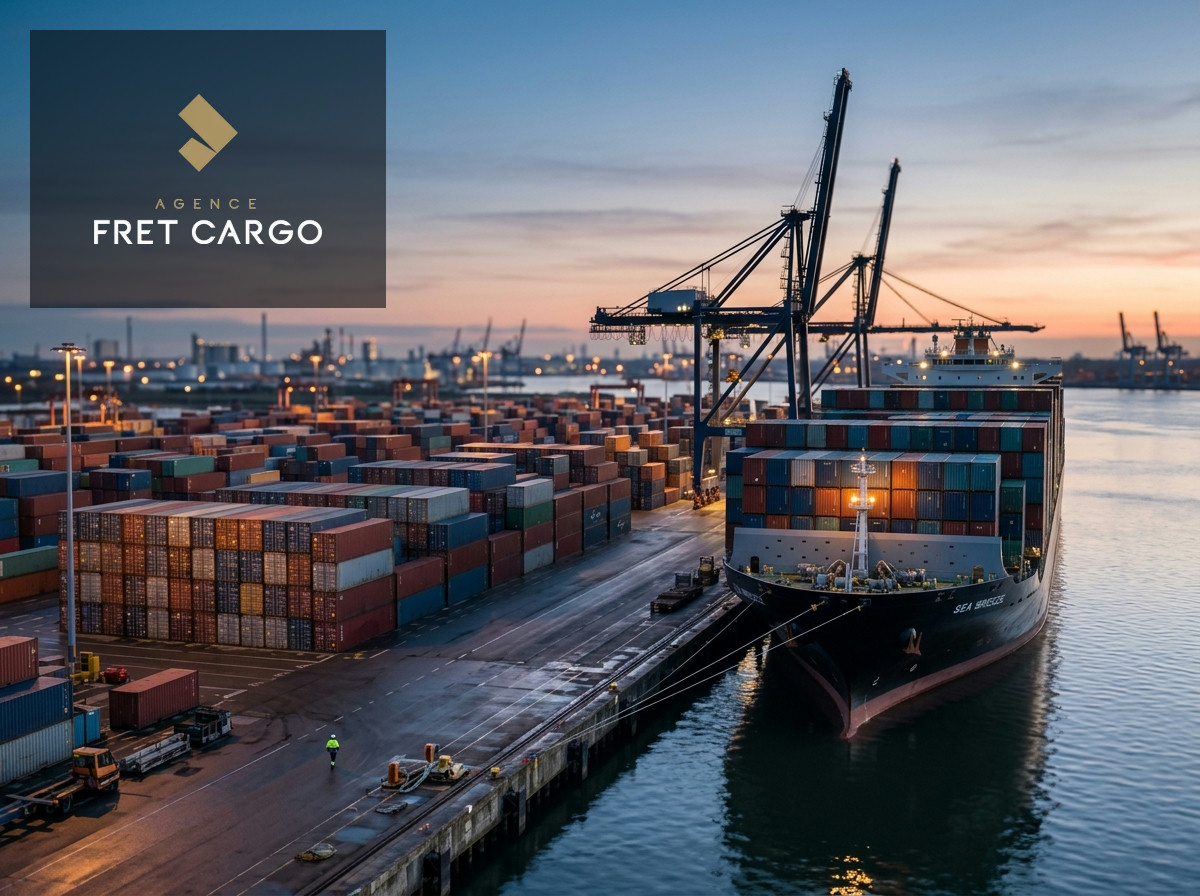
The absence of a simple certificate can block an entire production line. These delivery delays result in considerable operating losses. Agence Fret Cargo insists on upstream preparation and cross-checking of documents even before the goods leave their point of origin.
It is also crucial not to neglect insurance. As the carrier's liability often only covers a fraction of the value, Agence Fret Cargo recommends taking out all-risk transport insurance. To delve deeper into the legal framework, you can consult our guide on Customs regulations for imports into Switzerland.
5. Securing your flows: Customs audit and governance
To eradicate import customs clearance errors, supply chain departments must establish true customs governance. This involves regular internal audits, precisely mapping flows and identifying areas of vulnerability. The objective is to move from a reactive approach to a proactive strategy.
Implementing standardised operational procedures and using a trusted logistics partner are essential steps. By centralising customs management and relying on the expertise of Agence Fret Cargo, companies ensure that each declaration is processed with the utmost rigour, in full compliance with the requirements of the State Secretariat for Economic Affairs.
Contact Agence Fret Cargo
📍 Voie-des-Traz 20, 1215 Le Grand-Saconnex (Geneva Airport) 📞 +41 22 798 68 00 📧 hello@fretcargo.com
Any rates and transit times mentioned are indicative market estimates, subject to final confirmation based on your shipment details, the commodity, and current market conditions.
Let us handle the logistics — you focus on your business.